

Introduction
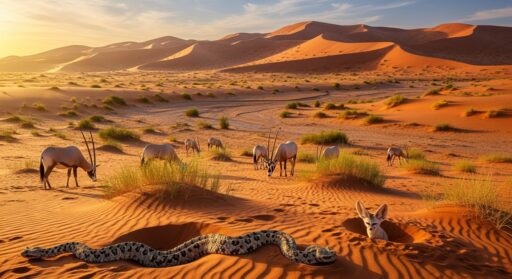
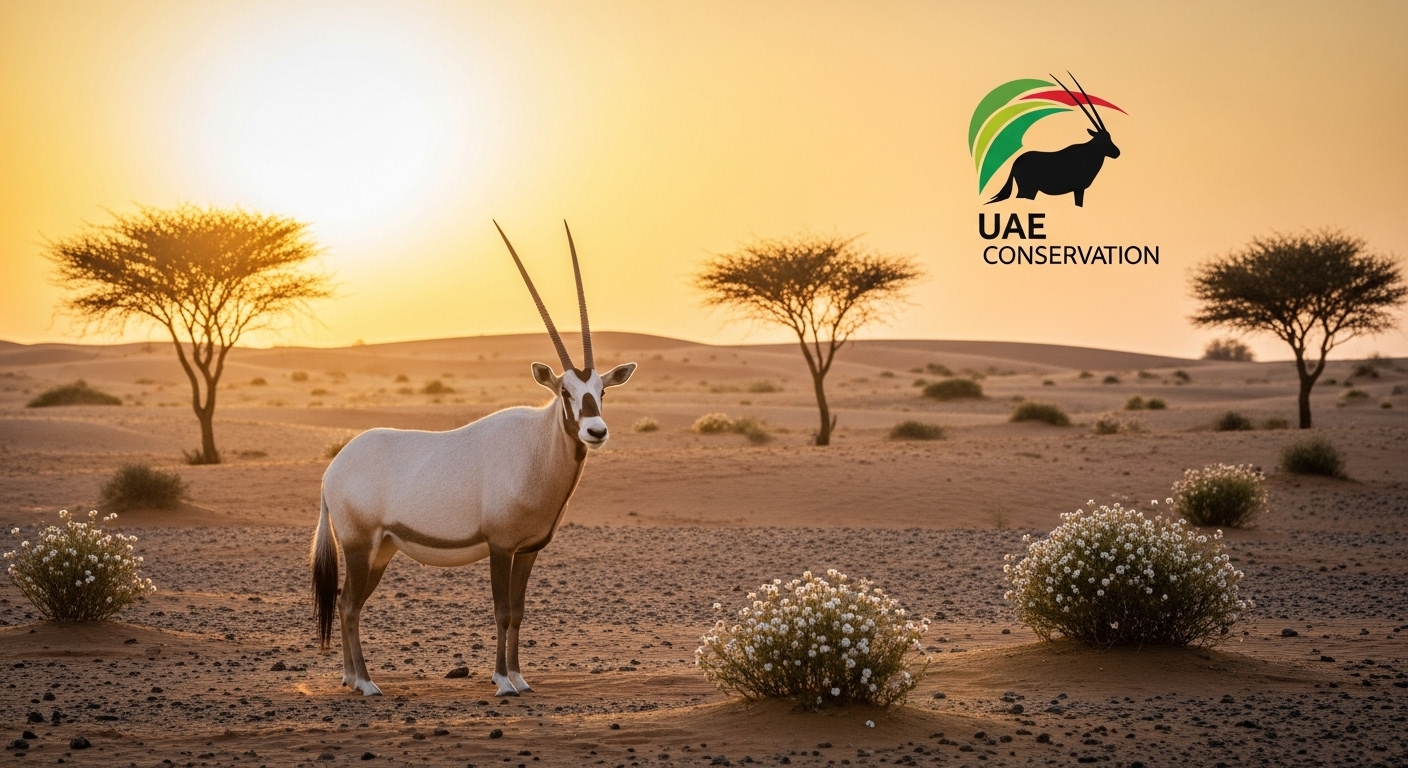
The Arabian Oryx, with its elegant, spear-like horns and luminous white coat, is a creature of myth and majesty, perfectly adapted to the harsh deserts of the Arabian Peninsula. Yet, by the early 1970s, this iconic antelope had been hunted to extinction in the wild, becoming a tragic symbol of human carelessness. Its story, however, did not end there. The Arabian Oryx’s journey from the brink of oblivion to a thriving, protected population is one of the world’s most celebrated conservation success stories. It stands as a powerful testament to the UAE’s foresight and commitment to preserving its natural heritage, so much so that it was chosen as the national animal, embodying the nation’s resilience and dedication to environmental stewardship.
History
For centuries, the Arabian Oryx roamed freely across the deserts of the UAE and the wider region. It was revered in Bedouin culture for its beauty and ability to survive without direct water, deriving moisture from the plants it ate. However, the advent of modern firearms and motorized hunting parties in the 20th century led to a catastrophic decline. The last wild individual was shot in 1972, rendering the species extinct in the wild. Recognizing the impending tragedy, an international effort dubbed “Operation Oryx” was launched in the 1960s, capturing a few remaining wild individuals to form a “world herd” in captivity. The late Sheikh Zayed bin Sultan Al Nahyan, a passionate conservationist, was a key figure in this effort, establishing breeding programs in the UAE.
Key Features
The Arabian Oryx (Oryx leucoryx) is a marvel of desert adaptation:
- Thermoregulation: Its bright white coat reflects the harsh desert sun, while its dark skin underneath protects it from UV radiation. It can tolerate extreme temperature fluctuations that would be fatal to most large mammals.
- Water Conservation: The Oryx can survive for weeks without drinking water, obtaining sufficient moisture from the roots, tubers, and fruits of desert plants like the Arta and Ghaft trees.
- Social Structure: They live in herds of 10-20 individuals, typically led by a dominant male. This social structure helps in locating scarce food and water and provides protection.
- Symbolic Horns: Its long, straight horns, which can grow up to 70 cm, are not just for defense; they are also used to dig for roots and bulbs, a crucial skill in a barren landscape.
Cultural Significance
In Bedouin lore, the Arabian Oryx was a symbol of beauty, endurance, and purity. Its ability to find water and sustenance where none was apparent was seen as a divine gift, and it was often featured in poetry and stories. Its near-extinction represented a profound cultural loss. Its subsequent revival, spearheaded by Sheikh Zayed, became a source of immense national pride. By declaring it the national animal, the UAE cemented the Oryx’s status as a living emblem of the nation’s own journey—a story of surviving against the odds, of visionary leadership, and of a deep, abiding connection to the desert environment.
Modern Relevance
Today, the Arabian Oryx is the centerpiece of the UAE’s conservation strategy. The Arabian Oryx Sanctuary in Abu Dhabi’s Al Ain region, a UNESCO World Heritage site, was one of the first protected reserves. Successful breeding programs have allowed for the reintroduction of Oryx into carefully managed reserves across the UAE, including the Dubai Desert Conservation Reserve and Sir Bani Yas Island. These populations are now carefully monitored, and their numbers have grown from a handful to several thousand. The Oryx’s story is now used as an educational tool, inspiring a new generation of Emiratis to value and protect their native wildlife. It serves as a constant reminder that conservation is not a luxury, but a responsibility.
Conclusion
The story of the Arabian Oryx is a powerful narrative of redemption. It is a journey from being a victim of human excess to becoming a beacon of hope and a symbol of a nation’s environmental conscience. The sight of a herd of Oryx moving gracefully across the red dunes is no longer a memory but a living reality, a direct result of deliberate and sustained conservation action. The Arabian Oryx’s triumphant return from extinction is the UAE’s gift to the world, a clear message that with will and wisdom, we can reverse the damage of the past and safeguard the natural wonders that define our shared planet.